When you think about wedding photography today, you probably picture an entire visual story getting ready with your best friends, the first look, the ceremony, the teary speeches, the wild dance floor, and all the little moments in between. But it wasn’t always this way.
In fact, the way we capture weddings has changed dramatically over the past few decades. As a wedding photographer, I find this evolution fascinating, not just technically, but emotionally. Let’s take a little trip back in time to see how we got here.
The Early Days: One Camera, One Moment
In the early and mid-20th century, wedding photography was a formal affair. Photographers were often only present for a short time, usually after the ceremony. These sessions were staged, structured, and highly posed. Couples might even visit a studio in their wedding attire days later to take their official portraits.
Why so limited?
- Technology was restrictive. Cameras were bulky, lighting was tricky, and film was expensive.
- Photography was a luxury. It was seen as a service to document key milestones, not a storytelling tool.
The result? Beautiful, timeless portraits—but very little of the emotion and energy of the actual day.
The 1980s–1990s: Starting to Loosen Up
As cameras became more portable and film became more accessible, photographers began to move around more freely. They started capturing a bit more of the day, not just the posed moments, but some of the action.
This is also when photojournalism began influencing wedding photography. Inspired by newspaper and documentary work, some photographers started telling the story of the day as it unfolded, candid smiles, hugs, laughter, and all.
But even then, most couples hired photographers just for a few key hours—not the full day.
The Digital Revolution: Everything Changes
The late 1990s and early 2000s were a turning point. Digital photography changed everything.
- Photographers could take hundreds or thousands of images without worrying about film costs.
- Editing software like Photoshop and Lightroom unlocked creative possibilities.
- The idea of full-day coverage became popular—starting with getting ready and ending after the party.
Wedding photography evolved from a service into an experience. It became about storytelling, artistry, and emotion, not just documentation.
Couples began to value moments over poses, connection over perfection.
The Social Media Era: Style Meets Story
As platforms like Instagram and Pinterest exploded, photography became a huge part of how people envisioned their weddings. Suddenly:
- Style mattered more than ever.
- Wedding trends became visual, shareable, and fast-moving.
- Couples sought photographers whose work matched their vibe and vision.
This era also elevated the role of the photographer. We weren’t just vendors anymore, we became storytellers, curators, and artists.
Today: The Personal, the Emotional, the Real
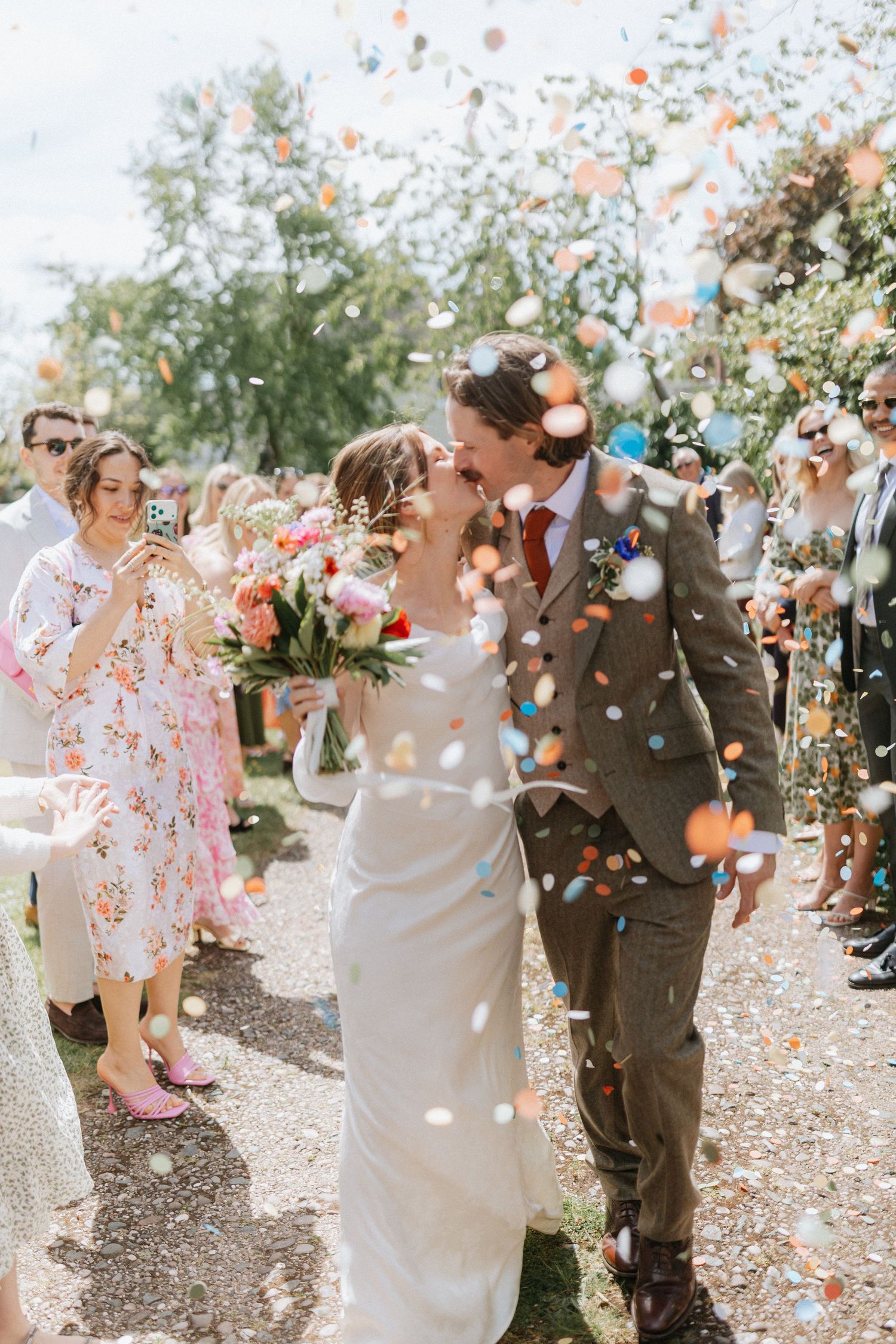
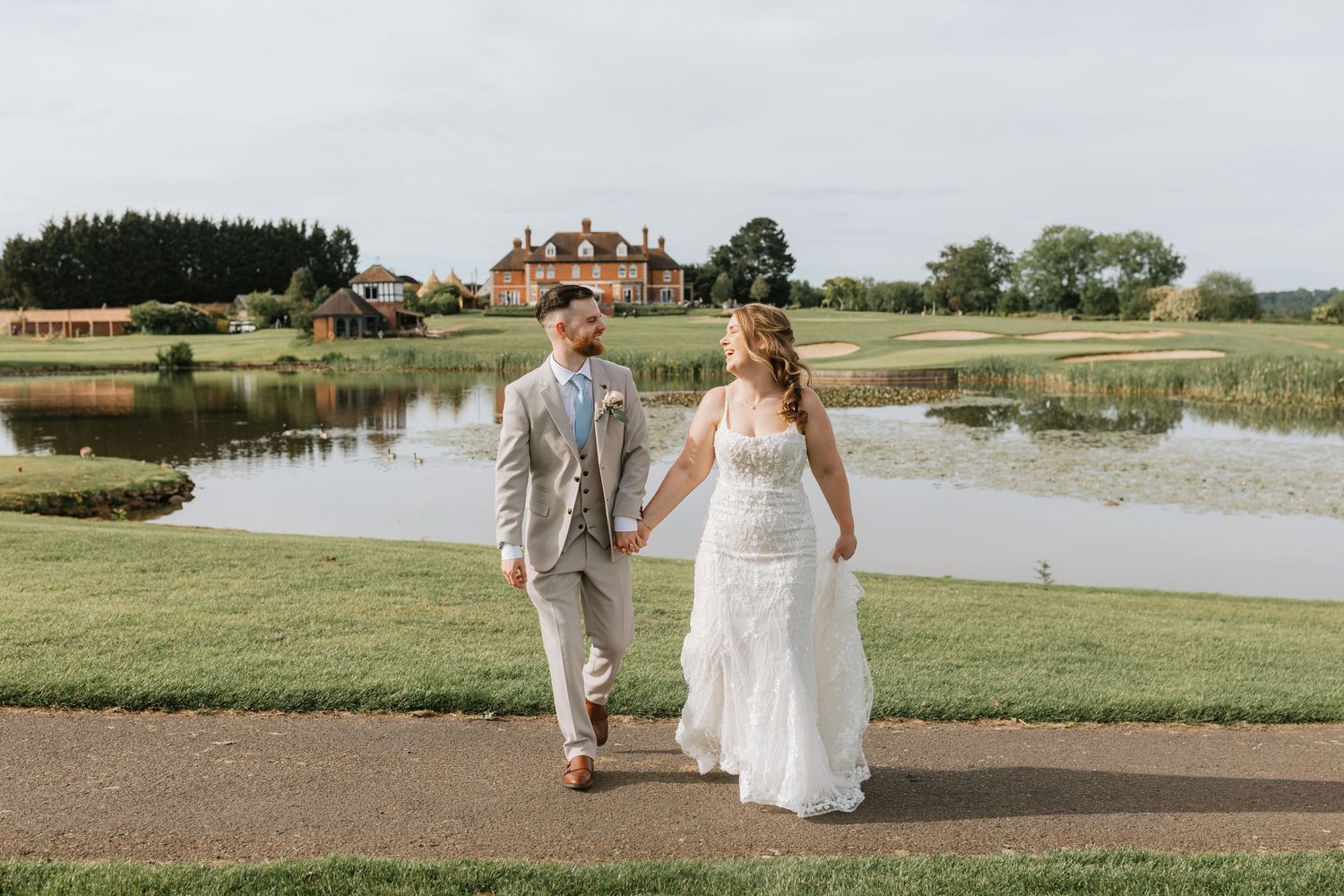
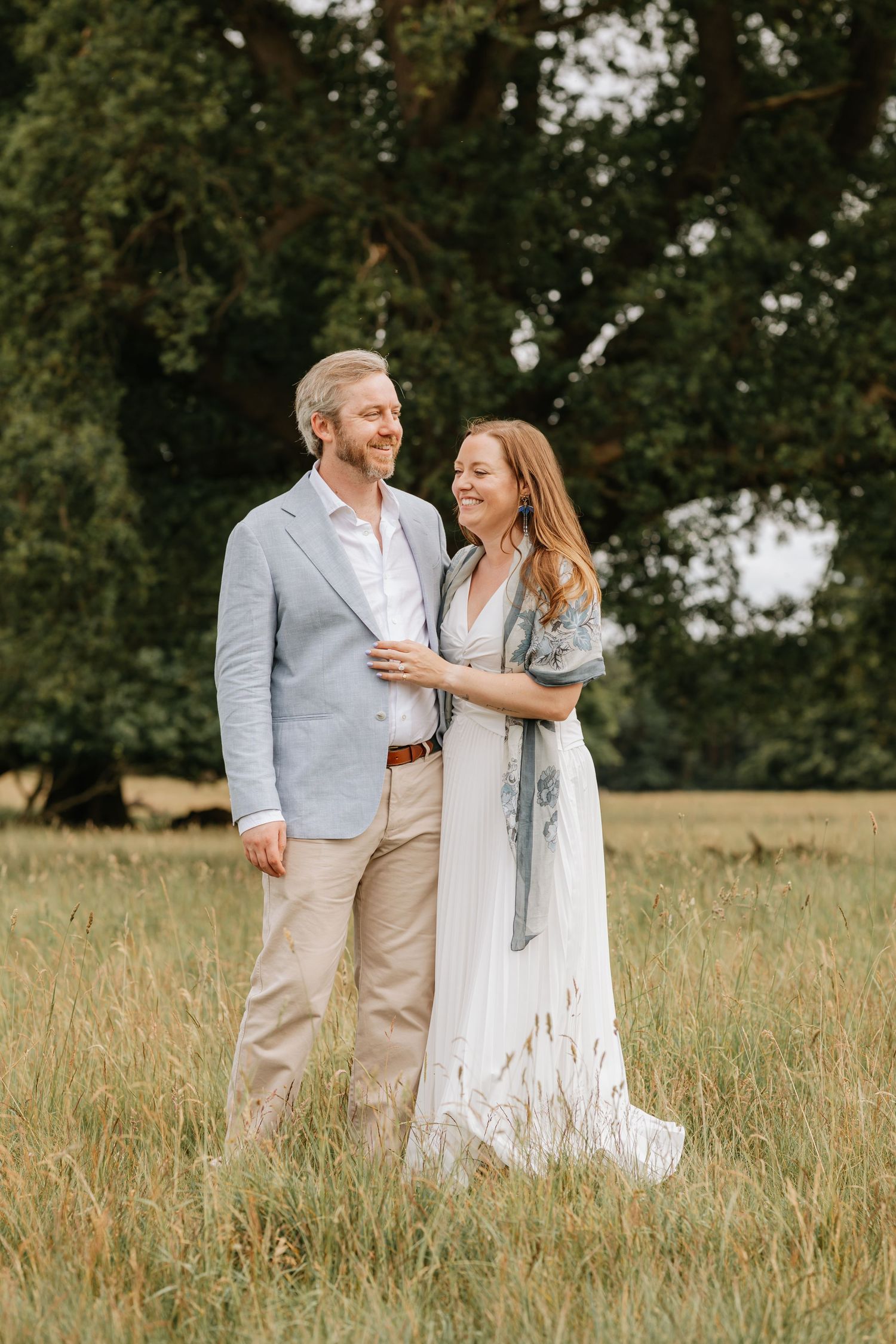
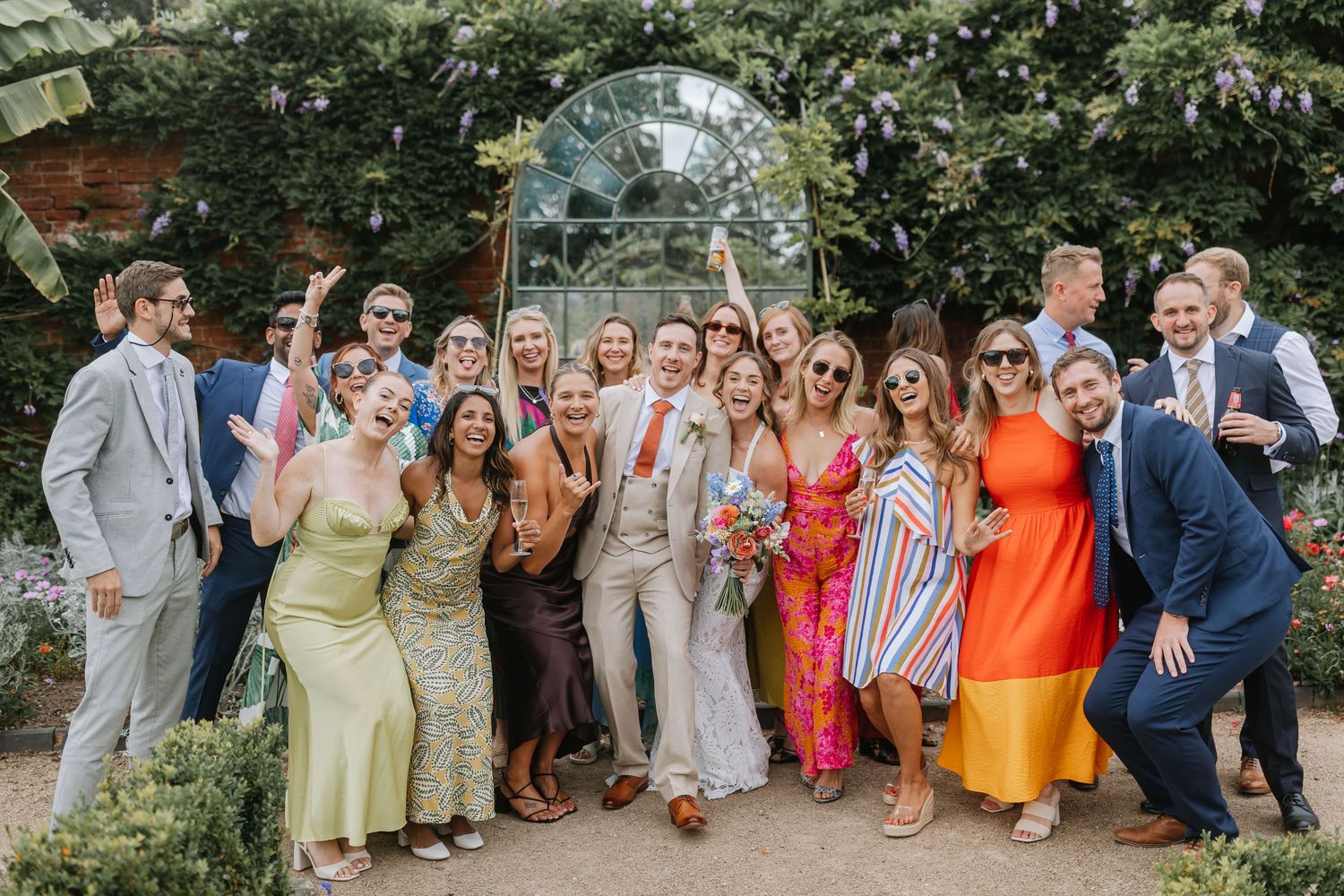
Modern wedding photography is deeply personal. It’s about telling a story that’s uniquely yours, not a template, not a Pinterest board, but your real day, your real love, your real people.
That means:
- Full-day coverage is the norm.
- Candid, documentary-style images are as valued as creative portraits.
- Film photography is making a nostalgic comeback.
- Some couples are even embracing “unwedding” photography: messy, emotional, perfectly imperfect.
Where We're Headed
The evolution isn’t over. With hybrid photo-video services, faster AI editing, and even 3D or immersive album formats on the horizon, the next chapter is already being written.
But through all the changes, one thing has stayed the same: wedding photography matters because it helps people remember not just what happened, but how it felt.
And that, more than any trend or tech—is what makes it so powerful.
Thinking about your own wedding photography? Whether you're planning something big or intimate, formal or wild, your story deserves to be told in a way that feels real to you.
Let’s talk about how we can capture it—beautifully.